

Cash Pay vs. Insurance for Mental Health Care: What’s Best for You? When it comes to taking care of your mental health, one of the first questions that comes up is: “Should I use my insurance or pay out of pocket?” It’s an important decision—and like most things in life, both options come with their own pros and cons. At Odinma Health, we believe in helping our clients make informed, empowered choices based on what feels right for their well-being, privacy, and financial peace. Let’s break it down together. 🏥 Using Insurance: Pros & Cons ✅ PROS: Lower Upfront Costs: Using insurance often means you pay only a copay or a portion of the fee, which can be more affordable in the short term—especially if you’ve met your deductible. Access to In-Network Providers: Insurance networks may offer a list of approved therapists, psychiatrists, or clinics to choose from. Coverage for Medications: If prescribed, your medication may be partially or fully covered by your plan. ❌ CONS: Limited Choice of Providers: Some skilled and specialized mental health providers you prefer are either not on your insurance network or they don’t take insurance, meaning you may miss out on care that feels like the best fit for you. Diagnosis Required: To use insurance, you must receive a mental health diagnosis that goes on your permanent medical record. Lack of Confidentiality: Insurance companies can access your mental health records, including diagnoses, treatment plans, and session notes. Time Limits & Restrictions: Some plans cap the number of sessions you can have per year, or they may require pre-authorization and regular justification for continued care. 💳 Cash Pay (Private Pay): Pros & Cons ✅ PROS: Greater Privacy & Confidentiality: Your mental health information stays between you and your provider. Nothing is reported to your insurance company. Freedom to Choose the Right Provider: You’re not limited to a list of “in-network” names. You can choose someone who aligns with your values, understands your goals, and feels like a true fit. Flexible & Personalized Care: Sessions aren’t dictated by insurance rules. You and your provider can create a custom plan that meets your needs—not the insurance company’s checklist. No Surprise Denials or Delays: With private pay, there’s no waiting on claims, denials, or approvals. You get care when you need it—simple and clear. ❌ CONS: Higher Out-of-Pocket Costs: Paying for care yourself can be more expensive up front, especially if you need ongoing support. No Reimbursement (Unless You Submit): If your provider is out-of-network, you’ll need to pay in full and request reimbursement yourself (sometimes called a “superbill”). Not Counted Toward Your Deductible: Out-of-pocket sessions don’t usually count toward your insurance deductible unless you’re reimbursed by your plan. So, What’s Best for You? That depends on your goals, your budget, and your values around privacy, control, and flexibility. There’s no one-size-fits-all answer—but you deserve care that fits your life . At Odinma Health, we’re proud to offer insurance and cash-pay mental health services . We provide: 🧠 Brief talk therapy 💊 Medication management 💬 Life coaching ✨ A safe, stigma-free space for you to grow Investing in your mental health is one of the most powerful decisions you can make. Whether you’re ready to begin or just gathering information, we’re here to support you every step of the way. 📅 Book a free consultation or first session today—and let’s take care of the most important part of your life: you.

When Being Around People Feels Overwhelming Understanding and Managing Social Anxiety You replay every conversation in your head. You worry about saying the wrong thing, or nothing at all. Your heart races before a meeting or social event—and sometimes, you cancel altogether. If this sounds familiar, you might be dealing with social anxiety —and you’re far from alone. At Odinma Health, we help people gently face and manage social anxiety so they can feel more confident, connected, and in control. What Is Social Anxiety? Social Anxiety Disorder (also called social phobia) is more than just shyness. It’s a persistent fear of being judged, criticized, or embarrassed in social or performance-based situations. People with social anxiety often feel intensely nervous or self-conscious in everyday settings like: Talking to coworkers or classmates Making phone calls Attending social gatherings Speaking in public Eating in front of others Meeting new people Even if you want to connect, the fear of negative evaluation can feel paralyzing. Common Signs of Social Anxiety Blushing, sweating, or trembling in social settings Avoiding eye contact or speaking up Fear of being perceived as awkward or “not enough” Overanalyzing conversations afterward Avoiding situations that might trigger anxiety Physical symptoms like nausea or a racing heart before social events Social anxiety can limit opportunities, relationships, and your overall quality of life—but it doesn’t have to define you. Why Does Social Anxiety Happen? Social anxiety may develop from a combination of: Genetics or brain chemistry Early experiences (bullying, criticism, or rejection) Learned behavior or past trauma Negative self-beliefs (“I’m awkward,” “I’ll embarrass myself,” “People will judge me”) At Odinma Health, we know these beliefs are powerful—but we also know they can be unlearned, rewired, and replaced with self-compassion and confidence. How Odinma Health Can Help You don’t have to push through social anxiety on your own. At Odinma Health, we create a safe, supportive space to explore your anxiety and build tools for long-term relief. Our approach is always gentle, non-judgmental, and personalized. Here’s how we can help: 💬 Talk Therapy We offer brief, focused therapy to help you challenge anxious thoughts, build confidence in social settings, and learn calming techniques that work in real time. 💊 Medication (When Appropriate) For some clients, anxiety medication can take the edge off enough to begin healing. If that’s part of your care plan, we’ll manage it with intention and care—never as the only solution. 🧠 Life Coaching Social anxiety often shrinks your world. Our coaching helps you gently expand it—at your pace—so you can show up more fully at work, in relationships, and in daily life. 🌿 Holistic Strategies We incorporate tools like breathing exercises, grounding techniques, sleep support, and self-confidence rituals to help regulate your nervous system and calm your inner critic. You Are Not “Too Much” or “Not Enough” Living with social anxiety can make you feel like you’re always on edge, always performing. But you don’t have to keep hiding or overthinking to protect yourself. You are worthy of connection—and peace. You deserve to feel safe just being you. Let’s work together to quiet the fear, build confidence, and help you step into the world with more ease and self-trust. You’re not broken. You’re healing. And we’re here to walk with you. 📅 Book a visit with Odinma Health today—because your voice matters, and we want to help you use it with confidence.
Can’t Sleep? You’re Not Alone. Understanding Insomnia You’re exhausted—but your mind won’t rest. You climb into bed hoping for relief, only to find yourself staring at the ceiling. You finally drift off, only to wake up at 3 a.m. wide-eyed and frustrated. If this sounds familiar, you may be living with insomnia , and you’re far from alone. At Odinma Health, we meet people every day who are struggling to sleep—and we want you to know that better nights are possible. What Is Insomnia? Insomnia is a sleep disorder that makes it hard to fall asleep, stay asleep, or get restful sleep—even when you want to. It can be occasional, short-term, or chronic (lasting three or more nights a week for over three months). And it doesn’t just mess with your nights. Insomnia affects your days, too. It can lead to: Fatigue or low energy Mood changes, including anxiety or irritability Brain fog, trouble concentrating, or forgetfulness Increased stress and reduced quality of life Sleep is not a luxury—it’s essential for your mental, emotional, and physical well-being. Why Am I Not Sleeping? Insomnia can have many causes, including: Stress or anxiety Depression or mood disorders Poor sleep habits or irregular routines Caffeine, alcohol, or certain medications Chronic pain or medical conditions Hormonal changes (like perimenopause or postpartum shifts) Often, insomnia is a symptom of something deeper—your body’s way of telling you that something is out of alignment. How Odinma Health Can Help We approach insomnia holistically—because we know it’s not just about counting sheep or taking a pill. At Odinma Health, we help you get to the root of the issue and support your mind and body in finding rest again. Here’s how we can help: 🔹 Comprehensive Evaluation We take the time to understand your unique sleep story—when it started, what’s changed, what your days look like, and how it’s affecting you. You’re not just a chart to us. You’re a whole person. 🔹 Targeted Medication Management If needed, we may use medication to help you reset your sleep cycle—but we’ll always pair that with strategies for long-term healing. Our goal is not dependency—it’s restful, natural sleep. 🔹 Brief Talk Therapy Often, sleeplessness is connected to racing thoughts, unresolved stress, or anxiety. Through conversation and reflection, we help you process what’s keeping your mind awake. 🔹 Lifestyle and Sleep Hygiene Coaching We’ll walk you through practical ways to create better sleep habits—from bedtime routines to how you use your phone in the evening. Sometimes small changes make a big difference. 🔹 Mind-Body Techniques Breathing exercises, mindfulness, and grounding tools can help you calm your nervous system and prepare your body for deeper rest—naturally. Sleep Is a Form of Healing—And You Deserve It If you’re tired of being tired, know this: your sleeplessness is not a failure. It’s a signal—and we can work with it. You don’t have to power through, guess what to try next, or go it alone. At Odinma Health, we’re here to help you rest—not just your body, but your mind and spirit, too. Let’s work together to reclaim your nights. Book your first session today, and let’s help you find your way back to peace, one restful night at a time.

What Is Bipolar Disorder? Understanding the Highs, the Lows, and the Path to Stability By Odinma Health At Odinma Health, we believe mental health is not just about managing symptoms—it’s about understanding yourself, reclaiming your balance, and living a life that feels aligned and empowered. One condition that’s often misunderstood and stigmatized is Bipolar Disorder . Let’s talk about what it really is, how it shows up, and how healing and stability are possible. What Is Bipolar Disorder? Bipolar disorder is a mental health condition characterized by extreme mood swings —from emotional highs (mania or hypomania) to deep lows (depression). These shifts go far beyond the everyday ups and downs of life. They can affect your energy, sleep, thinking, behavior, and ability to function at work or in relationships. There are different types of bipolar disorder, but what they all share is a cycling between elevated and depressed moods. The Two Poles: Depression and Mania 🔹 Depressive Episodes These can feel similar to Major Depressive Disorder and may include: Persistent sadness, hopelessness, or emptiness Fatigue or low energy Changes in sleep or appetite Trouble concentrating Feelings of worthlessness Thoughts of death or suicide 🔹 Manic Episodes A manic episode is more than just feeling energetic or confident. It may include: Inflated self-esteem or grandiosity Decreased need for sleep Racing thoughts and rapid speech Risky or impulsive behavior (spending sprees, unsafe sex, etc.) Increased goal-directed activity (often without follow-through) A less intense form of mania is called hypomania . It may not seem as disruptive but can still affect your life and relationships in significant ways. Types of Bipolar Disorder There are a few key types: Bipolar I Disorder : At least one manic episode, often followed by depressive episodes. Mania may be severe enough to require hospitalization. Bipolar II Disorder : At least one hypomanic episode and one major depressive episode, but no full manic episode. Cyclothymic Disorder : Chronic mood fluctuations that aren’t as severe as full manic or depressive episodes but still impact daily life. What Causes Bipolar Disorder? Bipolar disorder doesn’t have one single cause. It often develops from a mix of genetics, brain chemistry, trauma, and life stressors . If someone in your family has bipolar disorder or another mood disorder, your risk may be higher. Importantly, bipolar disorder is not a character flaw . It’s a medical condition—and like any health condition, it can be managed with the right support. How We Help at Odinma Health Stability is possible. At Odinma Health, we take a compassionate, personalized approach to treating bipolar disorder. That means: Accurate diagnosis and education , so you understand what’s happening and why Medication management to stabilize mood and reduce cycling Brief talk therapy and coaching to develop coping strategies, structure, and life balance A holistic, lifestyle-informed approach to help you build habits that support long-term well-being We also support clients in identifying early warning signs and building proactive plans to stay grounded—because healing is about freedom, not fear. Living with Bipolar Disorder With support, many people with bipolar disorder go on to live incredibly full, creative, and meaningful lives . You are not your diagnosis. You are still you—and you deserve care that sees your whole self, not just your mood swings. If you’ve been living with intense highs and lows, you’re not alone—and you’re not beyond help. With time, treatment, and trust, stability can become your new normal. Let’s work together to get you there. Book a session with Odinma Health today, and let’s start building a life that feels more steady, clear, and you.
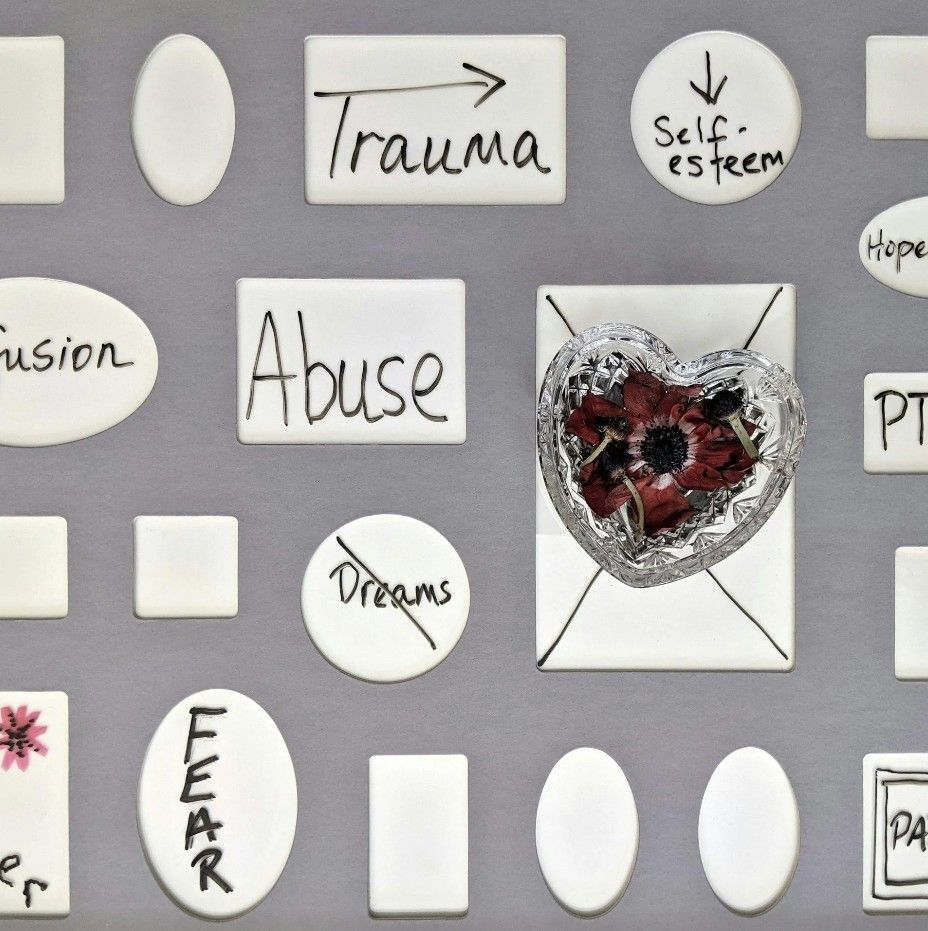
What Is PTSD? Understanding Trauma and the Journey Toward Healing At Odinma Health, we believe that your past doesn’t have to define your future. Many of the clients we serve carry invisible wounds—deep emotional injuries left behind by trauma. One of the most common results of this kind of pain is Post-Traumatic Stress Disorder (PTSD) . If this sounds familiar, you’re not alone—and more importantly, you’re not broken. Let’s talk about what PTSD is, how it shows up, and what healing can look like. What Is PTSD? Post-Traumatic Stress Disorder (PTSD) is a mental health condition that can develop after experiencing or witnessing a traumatic event. This could be something sudden and violent, like an assault or accident, or something prolonged, like abuse or neglect. What’s traumatic to one person may not be to another— what matters most is how your nervous system experienced the event. PTSD doesn’t mean you’re weak—it means your mind and body are still trying to process something that felt overwhelming or unsafe. Common Symptoms of PTSD PTSD affects people differently, but symptoms often fall into four main categories: 1. Intrusive Thoughts Flashbacks or nightmares Unwanted memories that feel vivid and uncontrollable Feeling as if the event is happening again in the present moment 2. Avoidance Steering clear of people, places, conversations, or activities that remind you of the trauma Avoiding thoughts or feelings connected to the experience 3. Changes in Mood or Thinking Feeling numb, detached, or hopeless Persistent negative beliefs (“I can’t trust anyone,” “It’s my fault”) Difficulty feeling positive emotions or connecting with others 4. Heightened Arousal or Reactivity Being easily startled or on edge Difficulty sleeping or concentrating Angry outbursts or irritability Feeling constantly tense or hyper-alert It’s important to know that these responses are normal reactions to abnormal experiences . They’re not your fault—and they can be worked through. What Causes PTSD? PTSD can be caused by many different types of trauma, including: Physical or emotional abuse Domestic violence or sexual assault Accidents, injuries, or natural disasters Military combat or first responder work Childhood neglect or exposure to violence Medical trauma or complicated childbirth At Odinma Health, we recognize the many faces of trauma. We know how it hides, how it lingers—and how it can be gently unraveled in a safe, supportive environment. How We Help PTSD doesn’t have to run your life. With the right care, many people find meaningful relief from their symptoms and go on to live empowered, grounded lives. We support clients through a trauma-informed, whole-person approach that may include: Talk therapy designed to help you process and release trauma safely Medication , when appropriate, to support stabilization and healing Life coaching to help you rebuild trust, confidence, and routines Somatic and mindfulness tools to regulate the nervous system and reconnect with your body We meet you exactly where you are—with compassion, patience, and no rush. You Are Not What Happened to You Living with PTSD can feel isolating, overwhelming, and even shameful—but we want you to know this: your response makes sense. And more importantly, healing is absolutely possible. You are worthy of peace, wholeness, and joy—not just survival. Let’s begin your healing journey together. Schedule a session with Odinma Health today. You don’t have to keep carrying this alone.

What Is Generalized Anxiety Disorder (GAD)? A Closer Look at Everyday Anxiety That Won’t Let Go At Odinma Health, we understand how overwhelming anxiety can feel—especially when it seems to follow you everywhere. We also know that with the right support, understanding, and care, healing is absolutely possible. Let’s talk about Generalized Anxiety Disorder (GAD) —what it is, what it feels like, and how you can begin to reclaim peace. What Is GAD? Generalized Anxiety Disorder is more than just occasional worry or stress. It’s a mental health condition marked by persistent, excessive worry about everyday things—work, health, finances, relationships—even when there’s little or no reason to worry. This type of anxiety isn’t tied to one specific event or fear. Instead, it can feel like a constant hum in the background of your mind, making it hard to relax, sleep, or fully enjoy life. What Does GAD Feel Like? If you’re living with GAD, you might experience: Racing thoughts or constant worry , even when things seem “fine” Restlessness or a sense of being “on edge” Trouble sleeping or staying asleep Difficulty concentrating or staying present Muscle tension , headaches, or unexplained fatigue A tendency to over-plan, overthink, or second-guess decisions A feeling that something bad is always about to happen Over time, this level of stress can take a toll on your body, your relationships, and your ability to cope. What Causes GAD? GAD can develop from a variety of factors, including: Genetics or family history of anxiety Long-term stress or trauma Personality traits like perfectionism or people-pleasing Imbalances in brain chemistry Health conditions or chronic illness At Odinma Health, we take a whole-person approach to anxiety. That means we look at what’s happening in your body, your thoughts, your environment, and your past experiences—not just the surface-level symptoms. How Is GAD Treated? The good news: GAD is treatable , and you don’t have to live with that constant sense of worry forever. We help clients find relief through: Brief talk therapy to identify and reshape anxious thought patterns Medication , when appropriate, to calm the nervous system and restore balance Lifestyle coaching to support better sleep, movement, boundaries, and emotional regulation Mindfulness and stress-reduction strategies tailored to your real life We believe healing isn’t just about managing symptoms—it’s about restoring your peace and helping you feel grounded, confident, and clear. You Deserve Calm If anxiety has become your norm, it’s time to remind yourself: peace is possible. You’re not broken—you’re human. And with the right care, you can feel better, think more clearly, and begin to truly live again. Let’s walk that path together. Book an appointment with Odinma Health today —where healing is whole, and hope is always in reach.

At Odinma Health, we believe mental health deserves the same level of strategic care as physical health—especially when it comes to insurance coverage. If you’re living with a chronic mental health condition like anxiety, depression, or bipolar disorder, navigating insurance can feel overwhelming. But with the right information, you can make insurance work for you, not against you. 1. Know What You Need Before You Shop Start by making a list of your current needs. Do you take medications regularly? See a therapist or psychiatrist monthly? Use telehealth? Having a clear picture of your typical care will help you pick a plan that covers what matters most. 2. Look for Plans That Prioritize Mental Health Not all insurance is created equal. Look for plans that offer: Low copays for therapy and psychiatry visits Comprehensive drug coverage , especially for psychiatric medications Out-of-network benefits if you already have a provider you love Telehealth access for flexibility and convenience Pro tip: Many plans now include behavioral health services as part of essential health benefits under the ACA. 3. Understand the Costs Beyond the Premium It’s easy to focus on monthly premiums, but don’t forget the fine print. Be mindful of: Deductibles : How much you’ll pay out of pocket before coverage kicks in Copays and coinsurance : What you pay per visit or service Out-of-pocket max : The cap on what you’ll spend in a year—once you hit it, insurance covers 100% If you have ongoing needs, a higher premium plan with lower deductibles might actually save you money in the long run. 4. Use Preventive Care to Your Advantage Many insurance plans cover annual mental health screenings and preventive care for free. These are great opportunities to stay ahead of worsening symptoms and advocate for adjustments in your care plan. 5. Ask If Your Provider Is In-Network Before you fall in love with a provider (hi 👋🏾 from Odinma Health), check to make sure they’re in your plan’s network. If not, ask if your plan offers out-of-network reimbursement or single-case agreements , which may allow you to keep seeing a preferred provider. 6. Take Advantage of Care Management Services Some plans offer case management or care coordinators for people with chronic conditions. These programs can help you navigate claims, get referrals faster, and find resources to support your treatment. 7. Keep Good Records Track all of your appointments, prescriptions, bills, and explanations of benefits (EOBs). If something gets denied, this documentation helps when filing appeals or reimbursement requests. 8. Don’t Be Afraid to Advocate for Yourself Whether you’re choosing a plan or fighting for a covered service, your voice matters. Insurance companies can be slow—but persistence pays off. And if you need help? Ask your provider’s office or a licensed insurance navigator. At Odinma Health, We’re Here to Support You We know the emotional toll of managing a chronic condition. That’s why we work with you to find sustainable, holistic solutions—including making sure your insurance supports your long-term healing. Still have questions about using insurance for mental health? We’re happy to guide you. Reach out anytime.

It’s More Than Just Being “Neat” Understanding OCD “You’re so OCD!” You’ve probably heard that phrase thrown around casually when someone likes things tidy or follows a certain routine. But for people actually living with Obsessive-Compulsive Disorder (OCD) , the experience goes far deeper—and is far more distressing—than a preference for order. At Odinma Health, we’re here to provide real understanding, effective care, and hope for those living with OCD. Because you’re not “too much”—you’re managing something that deserves to be taken seriously. What Is OCD? OCD is a mental health disorder that involves a cycle of obsessions and compulsions : Obsessions are unwanted, intrusive thoughts, images, or urges that cause anxiety or distress. Compulsions are repetitive behaviors or mental rituals done to reduce the anxiety caused by those thoughts. This cycle can become consuming and interfere with daily life, relationships, and emotional well-being. Common Obsessions Might Include: Fear of contamination or germs Fear of harming yourself or others, even without wanting to Intense need for symmetry or order Intrusive sexual, religious, or violent thoughts Fear of making a mistake or being responsible for something going wrong Common Compulsions Might Include: Excessive handwashing or cleaning Repeatedly checking locks, appliances, or tasks Counting, tapping, or repeating certain actions Mentally reviewing events or seeking constant reassurance Organizing or arranging things until they feel “just right” It’s not just quirky or annoying behavior. It’s a deeply distressing pattern that can feel impossible to break. What OCD Is Not It’s not just being tidy, organized, or particular. It’s not a personality trait. It’s not something you can “just stop doing.” It’s not your fault. OCD is a real mental health condition rooted in anxiety—and you deserve support, not shame. How Odinma Health Can Help We approach OCD treatment with compassion, strategy, and care. At Odinma Health, we take the time to understand your experience and guide you toward practical, sustainable healing. 🧠 Thorough Assessment We listen to your full story—not just the symptoms—so we can understand what you’re really dealing with and how it’s affecting your life. 💬 Brief Talk Therapy We may use elements of evidence-based therapies like Exposure and Response Prevention (ERP) or Cognitive Behavioral Therapy (CBT) to help reduce anxiety and break the obsession-compulsion cycle. 💊 Thoughtful Medication Management For some people, medications such as SSRIs can reduce the intensity of obsessive thoughts and compulsions. If we go this route, we’ll do it with care and regular check-ins. ❤️ Nervous System Support OCD often thrives in high-stress environments. We help you develop calming techniques to reduce your overall anxiety and create more mental space for healing. 🌿 A Whole-Person Approach We don’t just treat “the OCD”—we support the whole you. That includes your habits, sleep, relationships, and sense of identity. You’re more than a diagnosis—and we’ll always treat you that way. You’re Not Alone—And You’re Not Broken OCD can make you question your own mind. But you are not your thoughts. You are not the compulsion. You are not “crazy” or too far gone. You’re someone who’s trying to regain peace—and that’s courageous. At Odinma Health, we see you. We believe you. And we’re here to help. 📅 Book a session today, and let’s help you break free from the loop—one compassionate step at a time.

My name is Jen Madu, and I’m a psychiatric nurse practitioner (PMHNP). I diagnose and treat mental health conditions, prescribe medications, and offer brief talk therapy. While both PMHNPs and psychiatrists can prescribe medication and treat mental health issues, psychiatrists are medical doctors (MDs), while PMHNPs focus on a more holistic, patient-centered approach. We both work to improve mental health but come from different training backgrounds. Here is a more detailed overview below: A psychiatrist is a medical doctor who specializes in mental health, while a psychiatric nurse practitioner (psych NP) is a nurse with advanced training in psychiatry. Here’s how they differ: Education : Psychiatrists go to medical school and complete a residency in psychiatry (about 12 years total), while psych NPs earn a nursing degree and then get specialized training in psychiatry (6-8 years total). Prescribing medication : Both can prescribe medications, but psychiatrists have more in-depth medical training. Therapy : Both can provide therapy, but psychiatrists often focus more on medications. Psych NPs tend to have a more holistic approach, considering the whole person, and may combine therapy and medication management. Independence : In some places, psych NPs work independently, while in others, they might work with a psychiatrist. Psychiatrists can always work independently. Both are qualified to treat mental health conditions like depression and anxiety.
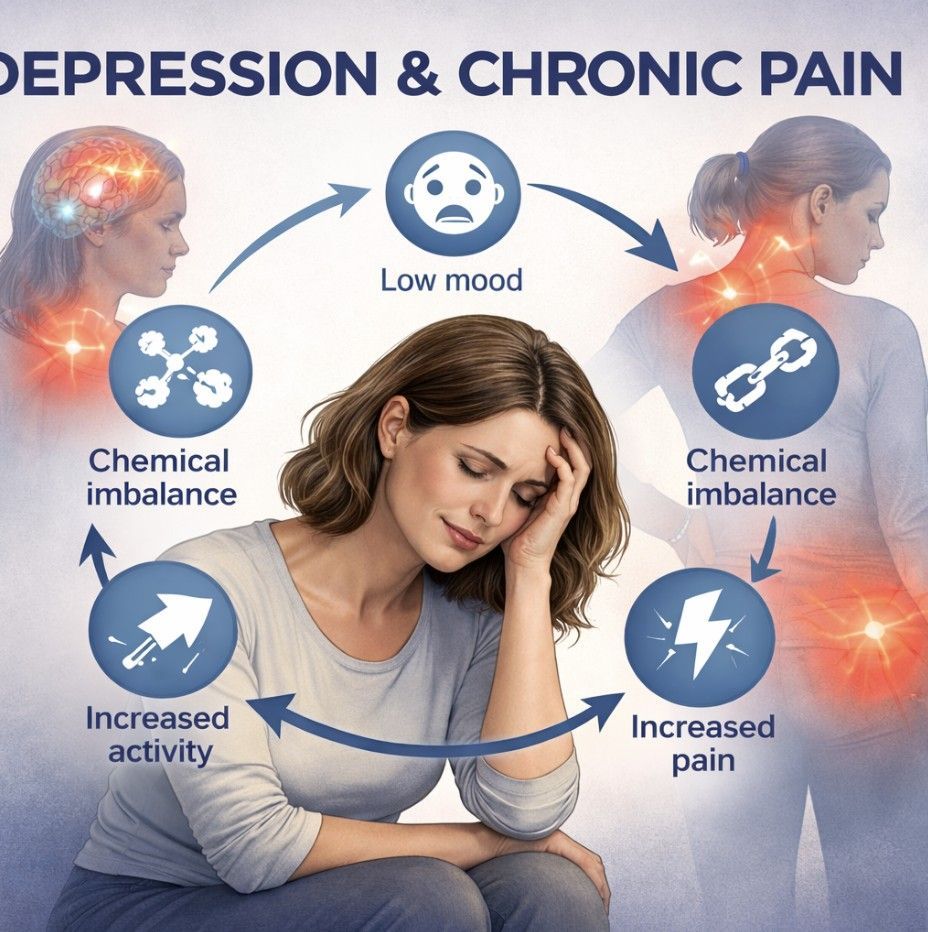
Depression and chronic pain often go hand in hand. Many people living with long-term pain also experience low mood, fatigue, and loss of motivation. At the same time, individuals with depression frequently report physical symptoms such as headaches, back pain, or joint pain. This is not a coincidence — the two conditio